Choosing the best Chocolate Packaging Machine in 2026 requires more than comparing speed or purchase prices. Chocolate manufacturers now assess hygiene, precision, energy use, product protection, and long-term service support. A machine that performs well with wrapped bars may struggle with pralines, truffles, or delicate filled pieces. The right choice depends on product shape, packaging material, production volume, and factory conditions.
In practical evaluations, operators should inspect sealing quality, film control, changeover time, and cleaning access. A reliable machine should protect chocolate from moisture, heat, dust, and handling damage. Its touchscreen controls should be clear, even for new staff during a busy shift. Watch the details. A loose seal can ruin an entire carton.
Leading equipment specialists also recommend testing real products before purchase. Ask suppliers to run your chocolate, film, and planned packaging format. Measure output, rejection rates, temperature stability, and compressed-air consumption. These figures often reveal more than a polished sales brochure. Remote diagnostics, spare-part availability, and technician response times also affect the machine’s true value.
Automation is becoming more attractive in 2026, especially for factories facing labor shortages or frequent product changes. However, advanced features can create unnecessary complexity. That assumption can fail. A simpler machine may deliver better reliability when maintenance skills are limited. Buyers should compare total ownership costs, not only the initial quotation. This guide examines the practical factors behind the best Chocolate Packaging Machine, while acknowledging an important limitation: no single model suits every chocolate business. The strongest decision comes from matching proven performance with specific production needs.
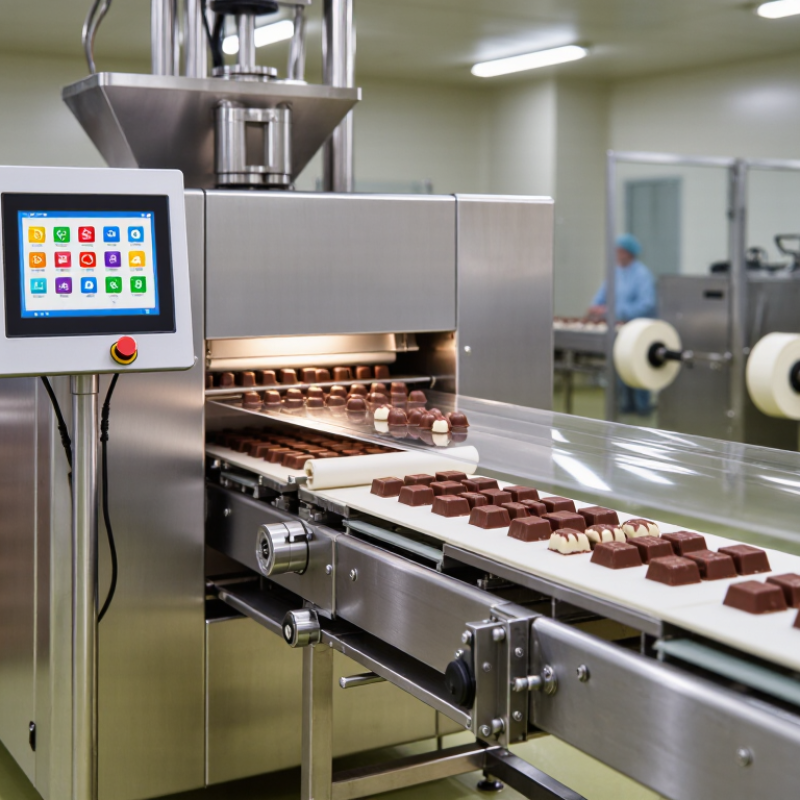
The best chocolate packaging machine is not simply the fastest model on a brochure. In real production, it must protect delicate pieces, maintain clean sealing, and reduce product waste. I have seen small temperature changes soften chocolate edges during wrapping. A machine with stable heat control can prevent that problem. Precise sensors also help operators detect film tension, seal pressure, and alignment issues before they become costly.
Hygiene remains a major performance measure. Smooth stainless-steel surfaces, accessible contact parts, and tool-free cleaning can shorten sanitation work. The machine should support documented cleaning checks and consistent operating procedures. Reliable packaging also depends on accurate dosing and gentle product handling. A strong system should manage different sizes without forcing operators into complicated adjustments.
Flexibility matters more than impressive speed. Production needs change. Quick format changes, recipe storage, and clear touchscreen controls can make daily work easier. Yet automation is not always perfect. A sophisticated machine may still fail when staff training is weak or maintenance is delayed. I would examine service access, spare-part availability, safety functions, and performance records under real factory conditions. A short demonstration can look excellent. Longer testing may reveal film wrinkles, inconsistent seals, or unexpected downtime. That evidence should influence the final decision.

Choosing the best chocolate packaging machine in 2026 depends on product shape, coating, output, and packaging material. A single machine rarely handles every format well. For standard chocolate bars, horizontal flow wrapping machines provide clean seals and consistent film tension. They suit high-volume lines and create compact packs for retail shelves. Chocolate must remain cool during feeding, or soft surfaces may mark the film.
For individual pralines, truffles, or small confectionery pieces, a vertical form-fill-seal machine can offer flexible pouch sizes. It works well when products need quick format changes. However, delicate centers may require gentle dosing equipment and controlled drop heights. For boxed assortments, cartoning machines place wrapped pieces into cartons with accurate counting. Vision inspection can detect missing pieces, tilted labels, or poor closures before shipment. Small errors become expensive at scale.
Vacuum or modified-atmosphere systems may help selected products, but they are not automatically better. Chocolate packaging trials should measure seal strength, oxygen exposure, product temperature, and changeover time. In my experience, operators often focus on speed and overlook cleaning access. That choice can create delays later. Easy-to-reach film paths, stainless steel contact areas, and simple controls support more reliable daily operation. Test the machine with real chocolate, not only sample materials. Humidity changes everything. A machine that performs well in a dry factory may struggle during warmer, wetter shifts.
Key machine types for different chocolate packaging needs
The best machine depends on the chocolate format, packaging material, production volume, and required presentation. The chart shows indicative operating ranges commonly associated with major machine categories; actual performance varies according to product size, wrapping style, automation level, and changeover requirements.
The best chocolate packaging machine should protect product quality from feeding to sealing. In production, I look for stainless steel contact surfaces and rounded corners. These details reduce residue buildup around conveyors and forming areas. Clean design matters. Tool-free access also makes daily inspection faster and less disruptive. Operators should remove guards, belts, and sealing parts without struggling with hidden fasteners.
Accurate temperature control is essential for chocolate films and delicate coatings. Uneven heat can create weak seals, wrinkles, or unattractive packages. A reliable machine uses responsive sensors and stable heating zones. Adjustable speed matters too. It allows teams to match the wrapper with product size, shape, and cooling conditions. Automatic film alignment reduces waste, while clear alarms help operators find faults before damaged packs accumulate.
Hygiene depends on more than polished steel. The machine should support dry cleaning, controlled washdown, and quick product changeovers. Electrical components need suitable protection from moisture and chocolate dust. Data logging can record temperatures, stoppages, and cleaning checks, improving traceability and maintenance decisions. From my experience, complicated interfaces create avoidable mistakes during busy shifts. Simple controls are often safer.
No machine is perfect. Some models promise high output but require frequent adjustments when chocolate temperature changes. That weakness deserves practical testing with real products, real film, and a full production schedule. A factory trial can reveal sealing delays, awkward cleaning points, and operator fatigue before purchase.
What Is the Best Chocolate Packaging Machine in 2026?
The best machine is not always the fastest one. In chocolate production, speed must protect shape, gloss, and sealing accuracy. PMMI reported that U.S. packaging machinery shipments reached about $10.2 billion in 2023, growing 5.8%. This investment reflects stronger automation demand, but output figures alone can mislead. A machine running 300 packs per minute may create costly rejects during temperature changes.
Flexibility matters when products vary in size, fillings, and wrapping materials. Look for tool-free format changes, adjustable sealing temperatures, and recipes stored in the control system. During factory trials, measure changeover time with real chocolate, not empty film. Ten minutes saved per changeover can matter more than a higher maximum speed. It sounds small. It is not.
Cost should include energy, labor, cleaning, spare parts, and rejected products. Smithers’ packaging industry research continues to identify sustainability and material efficiency as major investment drivers. A thinner film may reduce material costs, yet poor sealing can damage product quality. Compare total cost over five years, then test chocolate after vibration, cooling, and room-temperature storage. I would also request independent acceptance data. Supplier claims are useful, but incomplete. The most reliable choice balances stable throughput, gentle product handling, quick changeovers, and measurable waste control.
Choosing the best chocolate packaging machine in 2026 starts with your product, not the machine’s advertised speed. A small praline line needs gentle handling, accurate feeding, and quick format changes. A high-volume bar line may need continuous wrapping, automatic inspection, and stable heat sealing.
PMMI’s 2024 packaging machinery report valued United States shipments at approximately 10.5 billion dollars in 2023. It also identified labor shortages, uptime, and digital connectivity as major investment factors. These findings matter for chocolate producers. A machine that runs quickly but causes frequent stoppages can increase waste and labor costs. Test real products, including filled pieces, uneven shapes, and temperature-sensitive coatings. Chocolate behaves differently across seasons. I have seen trial results look excellent in a cool factory, then weaken during warmer production days.
The right machine should also match future packaging plans. Flexible film, cartons, flow packs, and recyclable materials may require different feeding and sealing systems. The 2024 Global Packaging Trends report from Smithers highlights continuing pressure for material efficiency and recyclable packaging formats. That pressure may affect your equipment choice before 2026 ends.
Do not ignore service access, spare-part availability, training, or data integration. A cheaper purchase can become expensive when one worn belt stops the entire line. "Fast" is not enough. Reliability needs evidence.