Medien zum Download.

What Is the Best Chocolate Packing Machine in China?

Choosing the best Chocolate Packing Machine in China requires more than comparing prices, speeds, or polished factory videos. The right choice depends on product shape, chocolate temperature, wrapping material, factory layout, and daily output. A machine that performs beautifully with small foil-wrapped pieces may struggle with filled pralines or delicate chocolate bars.

Walter Soroka, a respected packaging specialist and author, wrote, “Packaging is the science, art, and technology of enclosing and protecting products.” That principle remains useful here. A reliable Chocolate Packing Machine should protect each piece from heat, moisture, dust, and handling damage. It should also create neat seals, stable film tension, and consistent package dimensions. Small details matter. A loose fold can weaken brand presentation. Poor temperature control can cause chocolate marks, sticking, or broken edges.

This guide examines Chinese packing machines through practical buying criteria. It considers servo control, sealing accuracy, feeding systems, changeover time, cleaning access, spare parts, and technical support. Real factory experience matters more than impressive specifications. Ask for sample tests using your actual chocolate, film, and production speed. Watch the machine during start-up and product changes. That is where weaknesses often appear.

No machine wins every test. A lower-cost model may suit a growing workshop but disappoint during continuous production. An advanced line may provide excellent automation but exceed your maintenance skills. That uncomfortable gap deserves attention. The best Chocolate Packing Machine is not always the fastest or cheapest. It is the machine that delivers safe, attractive, repeatable packaging with manageable long-term costs.
What Is the Best Chocolate Packing Machine in China?

Chocolate Packing Machines: Types, Functions, and Applications

What Is the Best Chocolate Packing Machine in China?

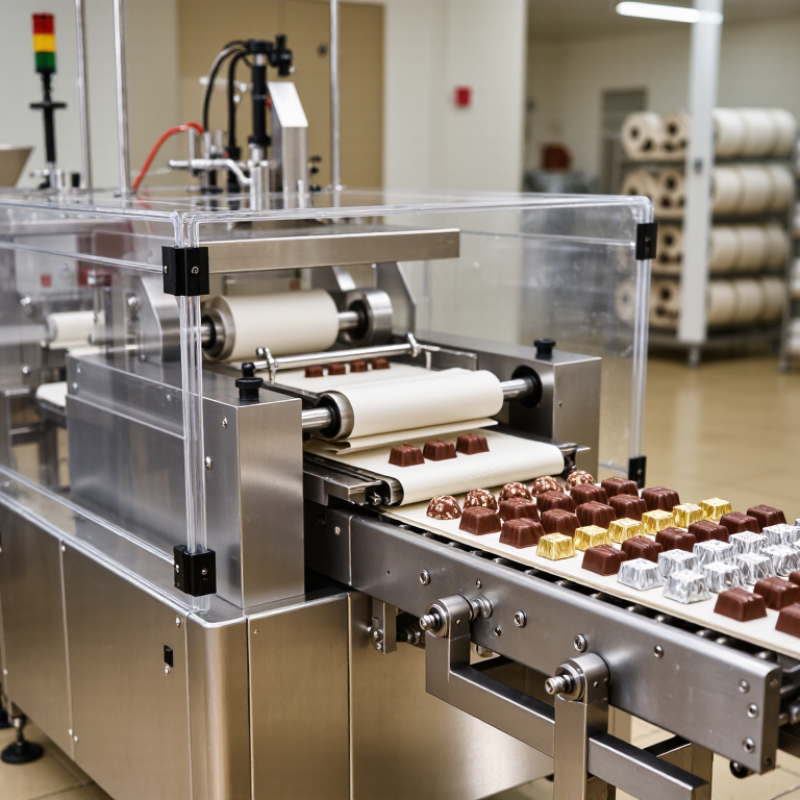
Chocolate packing machines differ by product shape, wrapping style, and production volume. Flow wrapping machines suit bars, tablets, and small gift pieces. Horizontal machines feed chocolate through film, seal both ends, and cut each pack evenly. Fold wrapping machines create a neat paper finish around premium pieces. Sachet machines handle chocolate powder or small liquid fillings, but they require different sealing controls.

Functions matter more than appearance. A reliable machine should control film tension, temperature, speed, and product spacing. Servo-driven feeding can reduce damaged corners and uneven packs. Sensors should detect empty pockets before sealing. Stainless steel contact surfaces support easier cleaning near chocolate residue. In factory trials, operators often check whether the machine can maintain stable output after several hours, not just during a short demonstration.

Applications vary from small confectionery workshops to large export lines. Smaller producers may prefer flexible equipment with quick format changes. High-volume plants need automatic feeding, date coding, and carton integration.

The best choice depends on chocolate size, coating softness, wrapper material, and expected output. A machine can perform well on tablets yet struggle with sticky fillings. That detail is easy to miss. Keep it practical. Measure waste, cleaning time, noise, and operator training before approval. No machine is perfect, and a cheaper option may create higher maintenance costs later.

Key Factors for Choosing the Best Chocolate Packing Machine

What Is the Best Chocolate Packing Machine in China?

Key Factors for Choosing the Best Chocolate Packing Machine

Choosing the best chocolate packing machine starts with the product, not the advertised speed. Chocolate bars, pralines, and coated pieces need different feeding and sealing systems. A practical test should measure film tension, seal strength, chocolate temperature, and rejected packs. Watch the line for at least one full production shift. A machine that runs smoothly for ten minutes may struggle after four hours.

According to PMMI’s 2024 packaging machinery outlook, labor shortages and automation remain major investment drivers in food packaging. This makes automatic feeding, servo control, and quick changeovers important selection factors. However, higher automation is not always better. Complex systems can increase maintenance time and operator training costs. Check whether staff can change a film roll, clean contact parts, and reset sensors without specialist support.

Smithers’ packaging research continues to highlight pressure for lighter materials and better recyclability. Therefore, the machine should handle the intended paper, mono-material, or laminated film before purchase. Ask for recorded tests using your real chocolate size and packaging material. Review electrical standards, guarding, sanitation design, spare-part availability, and remote support in China. Do not judge only by units per minute. Energy use, sealing consistency, downtime, and total ownership cost often matter more. My own caution is simple: supplier promises can sound precise, but factory evidence is stronger.

Leading Technologies Used in Chinese Chocolate Packing Machines

What Is the Best Chocolate Packing Machine in China?

Leading Technologies Used in Chinese Chocolate Packing Machines

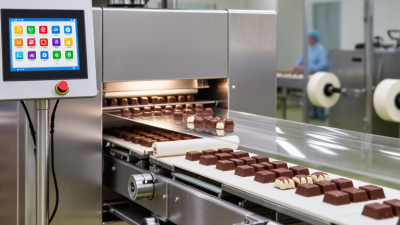
The best chocolate packing machine combines accurate dosing, stable sealing, and gentle product handling. Chinese manufacturers increasingly use servo motors, PLC control systems, and touchscreen interfaces. These technologies synchronize film feeding, cutting, and product positioning. Servo control also reduces alignment errors during high-speed production.

Vision inspection is becoming more practical. Cameras can check missing pieces, damaged wrappers, and incorrect print positions. Automatic rejection systems remove defects without stopping the line. According to Grand View Research, the global chocolate market was valued at approximately USD 119 billion in 2023. This growth increases pressure on factories to improve speed and consistency. Speed is not everything.

Modern machines also use stainless-steel frames, temperature monitoring, and tool-free cleaning features. Modified-atmosphere packaging can help protect sensitive chocolate products from oxygen and moisture. Checkweighers and metal detectors support quality control before cartons leave the line. PMMI reports that automation remains a major packaging investment priority, especially where labor availability is uncertain.

A practical factory trial should test chocolate temperature, wrapper tension, sealing strength, and changeover time. One machine may perform well with bars but struggle with pralines. This is often overlooked. Energy consumption also deserves attention, since idle heaters and compressed-air leaks increase operating costs. No machine is perfect. A reliable selection process should examine real products, real film, and several production shifts before purchase.

How to Compare Machine Performance, Quality, and Production Capacity

What Is the Best Chocolate Packing Machine in China?

How to Compare Machine Performance, Quality, and Production Capacity

The best chocolate packing machine depends on your product, not just its price. In a factory trial, check wrapping speed with your actual chocolate size, shape, and film. A machine may reach 300 pieces per minute in a brochure, but real output can fall after film changes or temperature shifts. Watch the sealing area closely. Clean seals, stable feeding, and low chocolate waste matter more than impressive figures.

Quality appears in small details. Inspect the frame, electrical cabinet, sensors, and contact surfaces. Stainless steel parts should be smooth and easy to clean. Ask for test records, maintenance intervals, spare-part availability, and operator training. A reliable supplier should explain limits clearly. If every answer sounds perfect, question it. I would also request a continuous trial lasting several hours, not only a short demonstration.

Tips: Bring your real packaging film and product samples. Record speed, rejected packs, film waste, noise, and changeover time. Compare usable output, not advertised capacity. Check whether one trained operator can run the line safely. Leave room for future demand, but do not buy excessive capacity too early. That choice can increase costs, cleaning time, and unused equipment. Performance is important. Consistency is better.

What Is the Best Chocolate Packing Machine in China?

Comparing machine performance, quality, and production capacity requires looking at several measurable indicators. The chart below uses representative industry benchmark values for entry-level, mid-range, and high-speed chocolate packing machines.

Throughput is measured in packs per minute, while sealing accuracy and operating availability are shown as percentages. Higher throughput supports greater production capacity; higher sealing accuracy and availability generally indicate better product quality and machine performance.

Buying, Installation, and Maintenance Considerations in China

Choosing the best chocolate packing machine in China starts with the product, not the advertised speed. The International Cocoa Organization’s 2023/24 report estimated global cocoa grindings at about 4.855 million tonnes. That scale increases pressure on hygiene, sealing consistency, and production uptime. For small bars, wafer pieces, or filled chocolate, ask for product trials using your actual recipe. Fat content and cooling temperature can change film performance. A fast machine is not always better.

During buying, verify stainless-steel food-contact parts against GB 4806 requirements. Request a Factory Acceptance Test with measured speed, reject rate, sealing strength, and changeover time. The PMMI Packaging Compass 2023 identifies labor availability and equipment flexibility as major packaging concerns. Therefore, Chinese suppliers should provide recipe storage, clear alarms, remote diagnostics, and bilingual manuals. Do not accept vague claims such as “high efficiency.” Ask for test records.

Installation needs more planning than many buyers expect. Confirm 380 V, 50 Hz power, compressed-air quality, floor loading, drainage, and room temperature before shipment. A local technician should supervise leveling, film tracking, sensor calibration, and operator training. Maintenance schedules should include daily chocolate removal, weekly inspection of sealing jaws, and monthly checks of belts, bearings, and temperature controllers. ISO 22000 guidance supports documented cleaning and preventive-control procedures. Spare heaters, sensors, cutting blades, and sealing materials should arrive with the machine. Some teams underestimate spare parts. That mistake becomes expensive during peak-season production.