Medien zum Download.

How to Choose a Chocolate Coin Maker in 2026?

Choosing a Chocolate Coin Maker in 2026 requires more than comparing machine prices. The decision affects product consistency, hygiene, production speed, labor, and future packaging options. Recent reports from Grand View Research and MarketsandMarkets describe continued growth in the global chocolate and confectionery sectors. Their findings point toward stronger demand for premium, personalized, and gift-ready products. Small details now matter.

A practical buyer should examine tempering accuracy, deposit weight, cooling performance, mould compatibility, and cleaning time. A coin that looks perfect under bright showroom lights may crack during wrapping. Ask for production samples. Measure their thickness, gloss, snap, and melting behavior at realistic room temperatures. Request documented food-contact materials and maintenance records. Certification claims should be verified, not simply accepted.

Chocolate consultant Clay Gordon has often emphasized a simple principle: “Chocolate is a food, not a flavor.” That perspective is useful when assessing a Chocolate Coin Maker. The equipment must protect the chocolate’s physical qualities, not only produce attractive shapes. Tasting trials, factory audits, and operator training can reveal weaknesses that brochures conceal.

There is no flawless checklist.

Capacity forecasts can also be wrong. A machine sized for holiday demand may sit idle for much of the year. Conversely, low-cost equipment may become expensive when downtime, rejected coins, and manual adjustments accumulate. Compare total ownership cost over five years. Include energy use, spare parts, technical support, mould changes, and cleaning labor. Reliable decisions come from evidence, careful testing, and a willingness to challenge impressive promises.
How to Choose a Chocolate Coin Maker in 2026?

Chocolate Coin Makers: Types, Functions, and Production Capabilities

Choosing a chocolate coin maker in 2026 requires more than checking its hourly output. The machine type should match your product range, staffing, and available floor space. Manual and semi-automatic models suit small batches, seasonal designs, and frequent mold changes. Fully automatic systems support continuous production, consistent depositing, cooling, demolding, and packing. Small batches need flexibility.

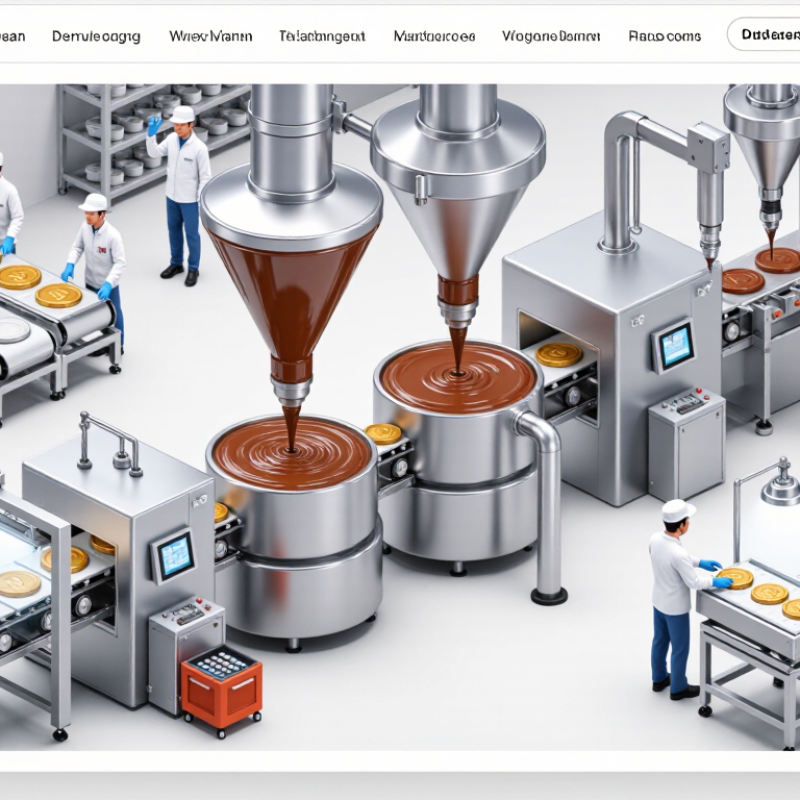
A typical chocolate coin line may include a tempering unit, heated depositor, coin molds, cooling tunnel, and wrapping section. The depositor controls weight and diameter, while the cooling system affects gloss, snap, and release quality.

Rotary systems can produce uniform pieces at high speed. Servo-driven machines usually offer better control over deposit volume and recipe changes. However, faster production can expose weak cooling capacity.

Capacity is not everything.

During equipment evaluation, request samples made with your chocolate, not standard test material. Check weight variation, surface shine, edge definition, cleaning time, and changeover steps. Ask for verified output under realistic conditions, including pauses and mold cleaning. Food-contact parts should be accessible, corrosion-resistant, and documented for hygiene compliance. I have found that complicated controls can slow operators when training is limited. A simpler interface may deliver more reliable results. Leave room for honest review, because promised speed rarely equals daily output.

Define Your Chocolate Coin Production Requirements

How to Choose a Chocolate Coin Maker in 2026?

Before contacting a chocolate coin maker, define your production requirements in measurable terms. Record the coin diameter, thickness, weight, and required daily output. A clear specification prevents vague quotations and expensive revisions.

Consider the chocolate type, cocoa percentage, fillings, and surface details. Decide whether you need embossed artwork, smooth edges, metallic packaging, or individually wrapped coins. Ask about tempering control, mould accuracy, cooling capacity, and food-contact materials. These details affect appearance, shelf life, and production consistency. I once underestimated packaging space, and the finished cartons occupied far more storage than expected. Small planning errors become costly.

Tips:

Prepare a one-page production brief. Include sample dimensions, monthly volume, acceptable weight tolerance, target delivery dates, and packaging preferences. Request trial pieces before approving full production. Check whether the maker provides batch records, ingredient information, allergen controls, sanitation procedures, and quality inspections. Reliable documentation matters more than attractive sample photographs. Also confirm equipment capacity during your busiest season, not only under normal conditions. A supplier may produce excellent samples but struggle with repeated high-volume orders. That possibility deserves honest discussion.

Evaluate Machine Materials, Design, and Operating Performance

How to Choose a Chocolate Coin Maker in 2026?

Material quality should be checked before production speed. Food-grade stainless steel is preferable for surfaces that contact chocolate. It resists corrosion and is easier to clean after each shift. Inspect the welds closely. Rough joints can trap cocoa residue and moisture. The frame should feel rigid, not hollow or unstable. Molds also deserve attention. Durable, heat-resistant materials help maintain clean coin edges and repeated shape accuracy. I would request a sample inspection under bright light.

Design influences daily work more than many brochures admit. A machine with accessible panels makes cleaning and adjustments less frustrating. Quick-release molds can reduce changeover time, but only if the locking system feels secure. Controls should be clear enough for a new operator to understand without constant supervision. Test the heating and cooling zones with real chocolate, not only water. Chocolate reacts differently. Poor temperature control may create dull surfaces, streaks, or weak coin details.

Operating performance needs measurable evidence. Check hourly output, temperature stability, noise, energy use, and rejected pieces. Run the machine continuously for several hours. Short demonstrations can hide overheating or inconsistent depositing. Ask for maintenance records and spare-part availability. Watch whether the conveyor moves smoothly when the load changes. I once trusted a fast trial and overlooked difficult cleaning access. That mistake cost extra labor every week. A slower machine may be better if it delivers consistent coins, safer handling, and fewer interruptions.

How to Choose a Chocolate Coin Maker in 2026? - Evaluate Machine Materials, Design, and Operating Performance

Evaluation Dimension What to Check Recommended Specification or Benchmark Why It Matters Suggested Weight
Product-Contact Materials Hopper, depositor, molds, piping, and cooling-contact surfaces Food-grade stainless steel, preferably AISI 304; AISI 316 is beneficial for frequent use with aggressive cleaning chemicals Supports corrosion resistance, hygiene, cleanability, and long service life 15%
Frame and Exterior Construction Frame rigidity, panel finish, weld quality, and resistance to vibration Welded stainless-steel or coated industrial frame with smooth, sealed joints and no exposed dirt traps A rigid, sealed structure improves stability and reduces contamination risks 8%
Chocolate Temperature Control Independent heating zones, sensor accuracy, and temperature stability Typical working range of approximately 30–50°C, with practical control stability around ±0.5–1.0°C Stable temperature helps maintain viscosity, surface gloss, weight consistency, and temper quality 15%
Coin Weight Consistency Accuracy of depositing, mold filling, and portion control Target variation of approximately ±2–3% after stable operation and correct mold calibration Consistent weight improves packaging accuracy and reduces chocolate waste 12%
Production Capacity Output rate under normal operating conditions, not only the maximum advertised rate Small systems: about 10–30 kg/h; medium systems: about 30–80 kg/h; larger continuous systems: 80 kg/h or more Capacity should match daily demand without causing excessive idle time or overheating 12%
Mold and Coin-Size Flexibility Ability to change coin diameter, thickness, shape, and design Quick-change molds with practical changeover in approximately 15–30 minutes Flexible tooling supports seasonal products, private-label orders, and different package sizes 10%
Cooling and Demolding Cooling-air distribution, tunnel length, demolding reliability, and breakage rate Uniform airflow, adjustable cooling settings, and clean release without sticking or edge damage Effective cooling protects appearance and prevents production bottlenecks 10%
Cleaning and Sanitation Design Tool-free access, drainability, removable parts, and smooth internal surfaces Removable food-contact components, rounded corners, minimal dead zones, and documented cleaning procedures Shorter cleaning time improves hygiene and increases available production hours 8%
Controls and Monitoring User interface, recipe storage, alarms, sensor display, and data recording Clear digital controls, password-protected settings, temperature alarms, and repeatable recipe parameters Better monitoring reduces operator error and supports repeatable product quality 5%
Energy and Utility Demand Electrical load, compressed-air requirement, cooling method, and standby consumption Verify local voltage compatibility and request actual operating consumption rather than only installed power Utility compatibility affects installation cost and long-term operating expense 5%
Total Evaluation Weight 100%
Practical selection rule: Choose a chocolate coin maker only after confirming the chocolate formula, coin dimensions, required hourly output, available electrical supply, cooling conditions, cleaning procedure, and acceptance-test results under real production conditions.

Compare Safety Features, Maintenance, and Supplier Support

How to Choose a Chocolate Coin Maker in 2026?

Safety should be checked before output speed. Look for guarded drives, interlocked covers, emergency stops, and clear lockout points. Food-contact surfaces should resist corrosion and allow tool-free inspection. NSF/ANSI 2 provides widely used hygiene criteria for commercial food equipment, while HACCP-based checks help control contamination risks. Ask for documented test results, not verbal promises. A warm, sticky production room exposes weak designs quickly.

Maintenance often decides the real purchase cost. Choose a chocolate coin maker with removable scrapers, accessible bearings, and simple belt replacement. Temperature sensors should be easy to calibrate. Deloitte’s 2024 Smart Manufacturing Survey found that 86% of industrial leaders view smart manufacturing as important to competitiveness. That does not mean every machine needs complex software. Sometimes, a reliable alarm and a readable trend screen are better. I have seen maintenance teams lose hours because spare parts lacked clear identification. This detail is easy to underestimate.

Tips: Request a factory acceptance test using your chocolate recipe. Confirm cleaning time, sensor calibration steps, spare-part availability, and remote support hours. Ask whether technicians can respond within one business day. Review training materials before signing. A supplier promising everything may still provide little after installation. That uncomfortable question matters.

How to Choose a Chocolate Coin Maker in 2026?

Suggested procurement weighting for comparing safety features, maintenance requirements, and supplier support.

Safety receives the highest recommended weighting because food-contact compliance, protective guarding, emergency stops, and temperature control directly affect operator and product safety. Maintenance focuses on cleanability, access to wear parts, and routine service time. Supplier support covers documentation, spare-parts availability, training, and response procedures.

Assess Costs, Efficiency, and Long-Term Business Value

How to Choose a Chocolate Coin Maker in 2026?

The purchase price is only the visible cost. Calculate total cost of ownership over five to eight years. Include molds, tempering units, cooling tunnels, labor, electricity, cleaning, and spare parts. The International Cocoa Organization reported a 2023/24 cocoa deficit of about 478,000 tonnes. Raw materials may remain unstable, so waste control matters more than ever.

Ask suppliers for verified output, energy use, changeover time, and service response targets. The U.S. Department of Energy reports that motor-driven systems consume roughly 68% of industrial electricity in the United States. Efficient pumps, conveyors, and cooling equipment can therefore reduce operating costs.

Still, efficiency claims need testing. Request a sample run using your real chocolate, coin weight, packaging speed, and room temperature. Measure rejected pieces, surface defects, and cleaning time. My first cost estimate was too optimistic. Maintenance usually takes longer than brochures suggest.

Tips: Compare cost per acceptable coin, not cost per hour. Check whether operators can remove molds safely and quickly. Review spare-part availability for at least five years. A cheaper machine may lose value through stoppages. A premium system is not automatically better. Calculate payback using conservative production figures, and leave room for seasonal demand, training, and unexpected repairs. Track electricity and waste during the first ninety days. Real data beats confident promises.