How to Choose the Best Hot Chocolate Maker Machine?
Choosing the best Hot Chocolate Maker Machine is not simply about finding the highest wattage or the largest serving capacity. The right choice depends on chocolate texture, daily demand, cleaning time, temperature control, and counter space. A small café may need a compact unit that serves ten cups per hour. A hotel buffet may require a larger reservoir, continuous stirring, and dependable heat recovery.
Commercial beverage-equipment consultant Daniel Foster explains, “The best hot chocolate machine protects flavor while making service predictable.” That principle matters. Excessive heat can scorch milk, flatten aroma, and leave a sticky film around the bowl. A good machine should maintain a gentle, stable temperature, often around 65–75°C, without boiling the mixture. It should also keep cocoa evenly blended, even during a busy breakfast rush.
Look closely at the details.
Check the bowl capacity, thermostat accuracy, stirring system, tap design, and removable parts. Stainless-steel components usually withstand frequent use, but they still need careful cleaning after every service period. A transparent tank can help staff monitor levels, although clear plastic may scratch over time. Noise is another overlooked issue, especially in quiet cafés or hotel lounges.
The most expensive option is not automatically the wisest one. That assumption deserves reconsideration. A cheaper machine may consume more energy or require frustrating maintenance. Conversely, a premium model may be excessive for occasional home use. This guide compares practical features, operating costs, and real service conditions, helping you choose a Hot Chocolate Maker Machine that suits both your customers and your daily routine.
Understanding Hot Chocolate Maker Types and Their Brewing Methods
How to Choose the Best Hot Chocolate Maker Machine?
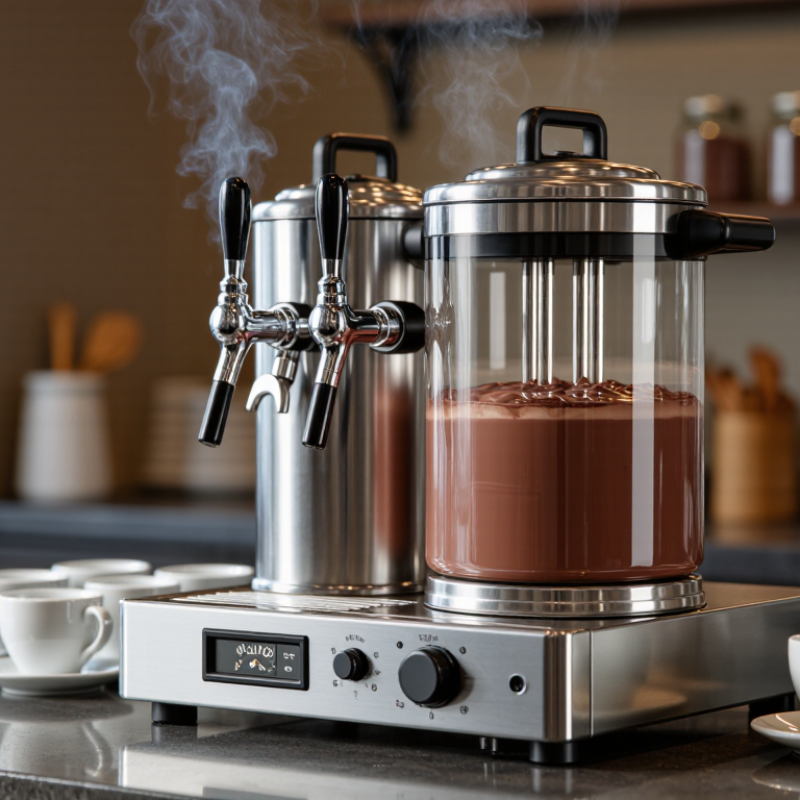
Hot chocolate machines use different heating and mixing methods. A bain-marie model melts real chocolate gently through indirect heat. It suits thick, café-style drinks and reduces scorching. Direct-heating machines warm the liquid quickly, but they need steady stirring. High temperatures can create a burnt taste and grainy texture. Keep the mixture below a simmer, usually around 65–75°C.
Automatic dispensers combine heating, agitation, and controlled serving. They work well for offices, cafés, and busy events. Some machines handle cocoa powder better than solid chocolate. Powder dissolves quickly with milk or water, while couverture-style chocolate needs stronger mixing. Check the paddle design, tank capacity, and dispensing speed. A small tank may serve a family, but it becomes inconvenient during repeated servings.
I have found that cleanup often matters more than advertised power. Dried chocolate collects around valves and corners. Choose removable, food-safe parts where possible. Once, I selected a powerful machine with a narrow outlet; the drink was smooth, but cleaning took too long. That choice was not ideal. Machines with adjustable temperature controls offer better consistency, although their settings can feel confusing at first. Look for clear controls, reliable insulation, and instructions covering allergen cleaning. A visible temperature display also helps prevent overheated milk and uneven texture.
Comparing Materials, Features, and Ease of Operation
Choosing a hot chocolate maker starts with materials, because the bowl affects heat, flavor, cleaning, and service life. In my equipment checks, food-grade stainless steel has been the most dependable option. It resists stains, absorbs few odors, and tolerates repeated washing. A thick base also spreads heat more evenly. Thin metal can create scorching near the heating element. That flaw is easy to miss. Glass makes the chocolate level visible, which helps during busy service. However, it breaks more easily and may lose heat faster. Aluminum is light and efficient, but exposed aluminum may react with acidic recipes. A suitable food-safe coating reduces that concern, though scratches deserve attention.
Useful features should match the way you serve chocolate. An adjustable thermostat protects texture when recipes contain cream or plant-based milk. A slow stirrer helps prevent settling without adding excessive foam. Look for a clear temperature display and an automatic shutoff. These details reduce guesswork during long events. Capacity matters too. A small unit may suit a family kitchen, while a larger hopper supports steady serving. Oversizing can waste energy and leave chocolate sitting too long. I have made that mistake.
Ease of operation often decides whether a machine remains useful. Removable stirring parts and a wide opening make daily cleaning less frustrating. A drip-free tap saves counters, but only if its internal channel is accessible. Simple controls are usually safer than decorative touch panels with unclear icons. Check the manual for cleaning temperatures and compatible detergents. Never assume every removable part is dishwasher-safe. A machine that heats quickly may still disappoint if refilling requires awkward lifting. Test the lid, handles, and drain position before purchase. Small physical details matter.
Selecting the Best Machine for Your Serving Volume and Budget
How to Choose the Best Hot Chocolate Maker Machine?
Selecting the Best Machine for Your Serving Volume and Budget
Serving volume should guide your hot chocolate machine more than appearance. Measure your busiest hour, not your average day. A 10-ounce cup needs different equipment from a 16-ounce serving. If you serve 30 cups hourly, choose a machine that can handle steady refilling. Keep a buffer. Small capacity creates long queues.
In a small café, I would inspect the tank size, heating speed, and temperature control. A reliable thermostat helps prevent scorched chocolate and uneven texture. Stirring performance also matters when chocolate settles overnight. Look for removable parts and smooth internal surfaces. Cleaning should take minutes, not become a closing-time struggle. My early estimates were too optimistic once; staff cleaning time affected the real cost.
Budget planning must include electricity, ingredients, maintenance, and possible repairs. A cheaper machine may require more supervision or frequent manual stirring. A higher-capacity model may waste energy during quiet periods. For seasonal service, a compact unit can be practical, even with slower recovery. For schools, hotels, or busy counters, stronger heating and a larger reservoir usually justify the investment. Ask suppliers for operating instructions, warranty terms, and realistic output figures. Test the machine with your own chocolate mix before purchasing. It may behave differently from the sample used in a showroom.
How to Choose the Best Hot Chocolate Maker Machine? — Selecting the Best Machine for Your Serving Volume and Budget
| Machine Category |
Typical Capacity |
Recommended Serving Volume |
Typical Price Range (USD) |
Heating Method |
Approximate Power |
Key Features |
Best For |
| Small Countertop Dispenser |
1–2 L |
Up to 30 servings per hour |
$80–$250 |
Electric heating element with thermostat |
300–800 W |
Compact footprint, simple controls, low purchase cost, and easy placement on a home or small café counter. |
Home use, small offices, tasting areas, and occasional events |
| Standard Commercial Dispenser |
3–6 L |
30–100 servings per hour |
$250–$900 |
Thermostatically controlled water-bath or direct-heating system |
800–1,500 W |
Consistent holding temperature, heated mixing bowl, drip tray, and a dispensing tap designed for regular service. |
Cafés, bakeries, dessert shops, and small catering operations |
| High-Capacity Commercial Dispenser |
8–12 L |
100–250 servings per hour |
$900–$2,000 |
Thermostatically controlled heating with continuous stirring |
1,200–2,000 W |
Large hopper, improved heat recovery, continuous agitation, durable dispensing components, and higher service capacity. |
Busy cafés, hotels, restaurants, cinemas, and buffet service |
| Heavy-Duty Continuous-Use Machine |
12–20 L |
250+ servings per hour |
$2,000–$5,000+ |
Commercial heating system with motorized agitation and temperature control |
1,800–3,000 W |
Built for long operating periods, high-volume dispensing, stronger motors, stainless-steel construction, and serviceable components. |
Large venues, stadium concessions, theme parks, event caterers, and high-traffic foodservice locations |
| Multi-Product Beverage Machine |
6–15 L total |
80–250 servings per hour |
$1,500–$4,500+ |
Separate heated compartments or programmable beverage systems |
1,500–3,000 W |
May support hot chocolate alongside other thick beverages, with multiple containers, programmable temperature settings, and separate dispensing outlets. |
Businesses serving several specialty beverages from one machine |
Selection note: Actual output depends on cup size, recipe thickness, refill frequency, operating temperature, and dispensing speed. For reliable service, select a machine with at least 20% more capacity than your estimated peak requirement.