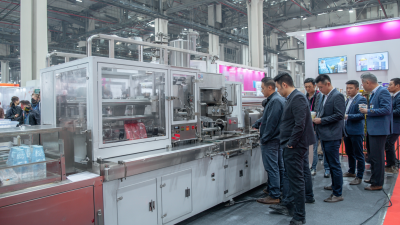
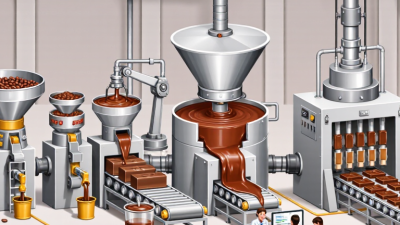
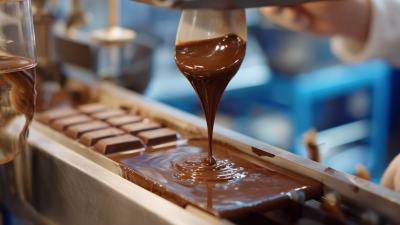
Choosing the right Chocolate Panning Machine can shape product quality, labor efficiency, and production consistency. A polished sugar shell may look simple, but it depends on controlled rotation, airflow, coating speed, and operator judgment. Even small differences can affect shine, thickness, and breakage.
Experienced confectionery teams inspect more than machine capacity. They compare drum diameter, batch volume, speed adjustment, spray access, cleaning time, and temperature control. A machine designed for small chocolate centers may struggle with dense nuts or uneven shapes. During a factory visit, operators should observe the drum under load, not only when it runs empty. Watch the product flow.
Details matter.
Reliable suppliers should provide technical specifications, installation guidance, maintenance instructions, and practical training. Buyers should also ask about food-contact materials, surface finishing, spare parts, and service response times. These checks support safer production and reduce unexpected downtime. Independent references from similar confectionery businesses can reveal weaknesses that brochures rarely mention.
Still, no selection process is perfect. A higher price does not automatically guarantee better coating results. A larger drum may also waste energy when production volumes remain low. Teams sometimes focus on output figures and overlook cleaning ergonomics. That mistake can become expensive. The following seven tips examine these decisions closely, helping manufacturers match machine performance with real production needs, available space, product variety, and operator skill. Careful testing remains essential. Ask for samples, record coating results, and question every impressive claim before investing.
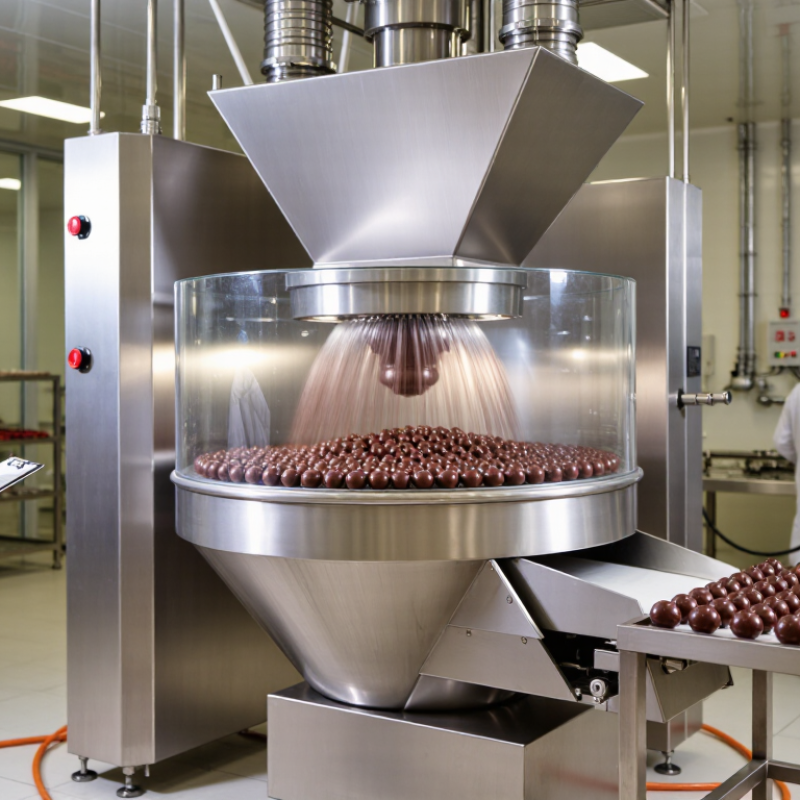
Choosing a chocolate panning machine starts with clear production goals, not machine features. Record your target output in kilograms per hour. Define the product size, shape, and average batch weight. Small details matter.
Measure the chocolate coating required for each batch. Note its working temperature, viscosity, and cooling conditions. A machine for almonds may not suit soft centers or irregular pieces. Confirm whether the process needs one coating cycle or several. Also consider available floor space, loading height, and cleaning time. These details affect daily efficiency more than advertised capacity. Keep it measurable.
Run a practical trial with your actual ingredients. Observe coating thickness, surface shine, drum movement, and product breakage. Test small batches. An oversized machine can create uneven coverage during short runs. An undersized unit may force excessive cycles and increase labor. I have seen production plans fail because theoretical capacity ignored cooling pauses and manual handling. That mistake is easy to repeat.
Create written acceptance criteria before comparing equipment. Include output tolerance, temperature control, batch consistency, cleaning access, and operator safety. Ask for test data under similar conditions. Leave room for seasonal changes in humidity and workload. Your first estimate may be wrong. Review it against real production records after several trial batches.
| Tip | Production Goal | Key Requirement to Define | Suitable Machine Characteristics | Typical Planning Range | Evaluation Check |
|---|---|---|---|---|---|
| 1 | Match the target output | Determine the required finished product capacity per hour and the number of operating shifts. | Select a pan and drive system that can operate continuously at the planned load without exceeding the motor or cooling capacity. | Small batch: 20–80 kg/h Medium production: 80–250 kg/h Large production: 250–600+ kg/h |
Confirm rated capacity at the intended recipe and coating thickness. |
| 2 | Define product size and batch format | Specify the center size, final piece size, batch weight, and whether products are uniform or mixed. | Use adjustable pan speed, controlled loading, and interchangeable or appropriately sized pans for different batch volumes. | Common confectionery centers: 5–30 mm Typical batch sizes: 10–150 kg |
Check that the smallest and largest products can tumble without breakage. |
| 3 | Achieve consistent chocolate coverage | Establish the target chocolate pickup, coating uniformity, surface finish, and acceptable weight variation. | Choose precise chocolate dosing, variable pan rotation, air distribution, and controlled drying conditions. | Chocolate pickup commonly ranges from 20% to 100% of center weight, depending on the product. | Request a coating trial using the actual center, chocolate, and target pickup. |
| 4 | Control chocolate temperature | Define the chocolate type, working temperature, tempering method, and allowable temperature variation. | Integrate temperature monitoring and compatible tempering or holding equipment with stable chocolate flow. | Dark chocolate is commonly worked around 31–32°C; milk and white chocolate are often worked around 29–30°C, depending on formulation. | Verify temperature control accuracy and sensor placement during continuous operation. |
| 5 | Fit the available production space | Measure floor area, ceiling height, access routes, utility points, and space for operators and cleaning. | Select a compact layout with accessible controls, safe discharge height, and enough clearance for maintenance. | Allow approximately 0.8–1.2 m of operator and service clearance around accessible sides of the equipment. | Review the complete installed footprint, including pumps, cooling units, conveyors, and product handling areas. |
| 6 | Reduce cleaning time and contamination risk | Define allergen controls, cleaning frequency, product changeover time, and sanitation procedures. | Prioritize food-contact stainless steel, removable parts, smooth welds, drainable surfaces, and tool-free access where practical. | Plan cleaning and changeover procedures around the production schedule; actual time depends on recipe and equipment design. | Inspect all product-contact areas and confirm that cleaning access is practical for daily use. |
| 7 | Plan for future product development | Identify expected product variations, seasonal demand, automation needs, and future volume increases. | Choose modular controls, adjustable process settings, recipe storage, compatible dosing systems, and capacity expansion options. | A practical expansion plan often includes 20%–30% spare capacity above the current average demand. | Confirm that upgrades can be added without replacing the complete panning system. |