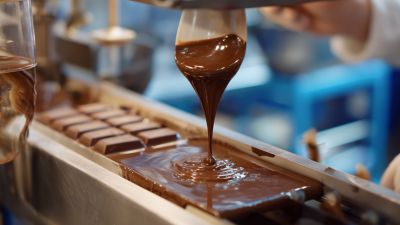
Medien zum Download.

7 Tips for Choosing a Chocolate Wrapping Machine?

Choosing a Chocolate Wrapping Machine is a practical decision that affects product quality, labor efficiency, and daily production stability. A glossy chocolate bar may look simple, yet its wrapping process involves careful control. Film tension, sealing temperature, folding accuracy, and machine speed must work together. Small errors can create loose corners, torn foil, or unattractive packages.

This guide presents seven useful tips for evaluating equipment with greater confidence. It considers chocolate size, wrapper materials, production volume, and changeover requirements. A machine that handles one bar perfectly may struggle with mixed product sizes. That detail is easy to overlook. Operators should also examine cleaning access, safety features, spare-part availability, and supplier support. Watch the machine run. Ask for sample testing with your own chocolate and packaging film. Factory demonstrations are helpful, but they cannot reproduce every real production condition.

Reliable selection also requires evidence, not impressive promises. Review speed data, sealing performance, maintenance records, and customer experience. Experienced technicians can reveal problems hidden behind a polished brochure. Total operating cost matters too. Energy use, rejected products, downtime, and training can gradually outweigh the purchase price. No machine is perfect. Even a careful checklist may miss an awkward adjustment or difficult film change. That is why practical trials and honest questions remain essential. The right Chocolate Wrapping Machine should protect the product, support consistent output, and remain manageable for the people who operate it every day.
7 Tips for Choosing a Chocolate Wrapping Machine?

Define Your Chocolate Product, Size, and Production Requirements

7 Tips for Choosing a Chocolate Wrapping Machine

Define your chocolate product before comparing machine specifications. A solid bar, filled praline, truffle, and seasonal shape need different wrapping paths. Measure product length, width, height, weight, and surface temperature after cooling. The International Cocoa Organization estimated global cocoa grindings at about 4.855 million tonnes in 2023/24, showing the scale of chocolate production and its need for dependable packaging equipment. However, large market demand does not mean every factory needs a high-speed machine.

Check whether the wrapper handles foil, paper, film, or laminated materials. Test delicate coatings and uneven shapes during a real production trial. Small cracks may appear only after several hours. PMMI industry reports repeatedly identify labor availability, automation, and faster changeovers as important packaging concerns. Therefore, ask for measured output, not an attractive brochure figure. Compare actual packs per minute with your required daily volume, including cleaning, adjustments, and material changes. A machine rated at 300 packs per minute may produce much less in practice. That gap matters.

Review format-change time, sealing accuracy, reject control, and access for maintenance. Record waste during testing. Also examine whether the machine can accept future product sizes without expensive reconstruction. I would not choose the fastest option automatically. Excessive speed can damage fragile chocolate and increase product loss. A slower, stable system may deliver better usable output, especially when operators are still learning. Have your production team approve the final trial data. Their hands-on experience can reveal problems that specifications hide.
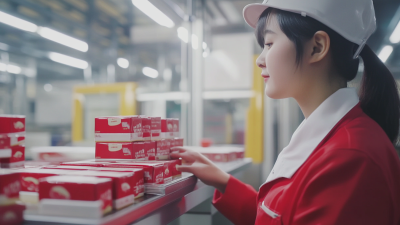
Choose the Right Wrapping Machine Type and Feeding System

Choosing the right chocolate wrapping machine begins with the product, not the machine’s advertised speed. A flow wrapping machine suits bars with regular shapes and long production runs. Fold wrapping can protect premium pieces while creating a more traditional appearance. Small pralines may need gentler handling and precise positioning. Measure each chocolate, including height, width, and temperature after cooling. A few millimeters can affect sealing and film tension.

The feeding system deserves equal attention. A belt feeder works well for stable bars and simple layouts. A vibratory feeder can separate small pieces quickly, but excessive vibration may create marks or cracks. For delicate chocolates, controlled lanes and soft-contact guides are often safer. Check whether the system maintains spacing before the wrapping station. Uneven gaps can cause empty packs, film waste, and sudden machine stops. Keep chocolate surfaces clean and dry.

I have seen production teams choose a fast wrapper, then struggle with slow manual loading. That mistake is expensive. Compare the feeder’s actual output, changeover time, cleaning access, and reject rate. Ask for a trial using your own chocolates and packaging film. Watch the machine for at least one full shift. Short tests can hide problems. The best choice may be less impressive on paper, especially when gentle feeding protects product quality and keeps operators in control.

Check Packaging Material Compatibility and Sealing Performance

7 Tips for Choosing a Chocolate Wrapping Machine

A suitable machine must match the packaging material, not merely the chocolate size. Ask for the film structure, thickness, coating, and recommended sealing temperature. Aluminum laminates, coated paper, and heat-sealable films behave differently under pressure. A material can look attractive yet tear beside the seal. Check compatibility carefully. Short trials reveal more than brochures.

During testing, inspect seal strength, wrinkles, trapped air, and chocolate residue. The seal should remain closed after cooling, folding, and gentle handling. Measure the actual temperature at the sealing jaws, because the displayed value may not be exact. Adjust temperature, dwell time, and pressure separately. Changing all three together hides the real cause of failure. Keep samples from every trial.

Machine speed also affects sealing performance. Fast production may shorten contact time and create weak corners. Ask whether the equipment supports your material at the required output, not only at laboratory speed. I once trusted a successful trial too quickly; longer runs exposed film slipping and uneven seals. That mistake changed my evaluation process. Now I check multiple batches, different roll positions, and ordinary factory conditions. Also examine changeover controls, cleaning access, and spare sealing surfaces. Small details matter.

Compare Speed, Accuracy, Automation, and Changeover Flexibility

Choosing a chocolate wrapping machine starts with the product, not the catalogue’s headline speed. Compare tested output at your actual bar size, foil tension, and temperature. A machine rated at 600 pieces per minute may deliver less. Rejects and film splices explain the gap. Ask for sustained throughput, not a ten-minute demonstration. Measure accuracy through seal position, fold symmetry, and reject percentage. Chocolate dust can expose weak sensors quickly. Keep records.

Automation should remove repetitive adjustments, not hide them. Deloitte’s 2024 Smart Manufacturing and Operations Survey reported that 92% of manufacturers view smart manufacturing as important to future success. That supports recipe storage, automatic registration, alarm history, and condition monitoring. Yet more software is not automatically better. Operators need clear screens, physical access, and useful fault messages. Otherwise, sophisticated equipment becomes an expensive pause button. I have seen this happen.

Changeover flexibility deserves a timed trial. Record the minutes needed to switch between dark, milk, and filled products. Check tool-free guides, servo-controlled settings, quick-release film paths, and saved recipes. Include cleaning time. It often gets ignored. The International Federation of Robotics recorded 541,302 industrial robot installations worldwide in 2023. Ask for training, spare-part lead times, and three-shift service data. Run two products, change over, and inspect the first 100 packs. If those packs fail, question the brochure’s accuracy claim.

7 Tips for Choosing a Chocolate Wrapping Machine? - Compare Speed, Accuracy, Automation, and Changeover Flexibility

Tip What to Compare Typical Reference Range Why It Matters Recommended Selection Criteria
1. Match the machine speed to actual demand Rated wrapping speed and sustained production output Approximately 60–150 pieces/minute for many small and medium chocolate wrapping lines; higher-speed systems may exceed 200 pieces/minute A higher rated speed does not always produce higher usable output because product loading, film changes, rejects, and stoppages reduce the effective rate. Choose a machine whose sustained output is about 15–25% above the required average production rate.
2. Check wrapping accuracy and product consistency Film positioning, fold alignment, seal consistency, and product placement Typical target: approximately ±1–2 mm film-registration tolerance, depending on material, product shape, and machine configuration Accurate wrapping improves appearance, protects the chocolate, and reduces material waste and rework. Request sample testing with the actual chocolate dimensions and packaging material before purchase.
3. Evaluate the level of automation Automatic feeding, film tracking, registration control, fault detection, and recipe management Manual-feed systems require more operators; integrated automatic lines can reduce routine handling to monitoring and material replenishment Automation can improve repeatability, reduce handling damage, and support consistent production across shifts. Prioritize automatic film correction, photoelectric sensors, overload protection, and a clear touchscreen interface.
4. Compare changeover flexibility Format range, tool-free adjustments, stored recipes, and changeover time Simple format changes may take about 15–30 minutes; complex product or film changes can take longer Shorter changeovers are especially valuable when producing multiple chocolate sizes, shapes, or seasonal designs. Look for quick-release guides, digital recipe storage, adjustable forming sections, and clearly marked settings.
5. Verify compatibility with packaging materials Film type, film thickness, roll dimensions, sealing method, and print-registration requirements Common wrapping materials include paper, coated paper, laminated film, metallized film, and aluminum-based foil structures Material properties affect sealing temperature, tension control, folding quality, static behavior, and machine speed. Confirm the supported material specifications and conduct trials using the exact production film.
6. Consider hygiene, cleaning, and maintenance Food-contact construction, access to product zones, cleanability, lubrication points, and spare parts Stainless-steel or coated food-industry surfaces are commonly preferred in areas exposed to product or packaging dust Chocolate residue and fine particles can affect sensors, belts, sealing areas, and product quality if cleaning is difficult. Select a design with tool-accessible cleaning points, guarded moving parts, documented maintenance intervals, and locally available wear parts.
7. Compare total operating cost, not only purchase price Energy use, film waste, labor requirements, downtime, maintenance, and expected service life Actual cost depends on speed, product size, packaging material, utilization, labor rates, and maintenance practices A lower initial price may result in higher long-term costs if the machine has more waste, longer changeovers, or limited technical support. Compare a documented total-cost estimate based on annual operating hours, product mix, waste rate, staffing, and service requirements.

Note: The performance ranges above are general industry reference values. Actual results vary according to chocolate dimensions, product temperature, packaging material, operator skill, machine configuration, and production conditions.

Assess Hygiene, Maintenance, Safety, Cost, and Supplier Support

7 Tips for Choosing a Chocolate Wrapping Machine

Hygiene should guide the purchase, not appear as an afterthought. Choose food-contact surfaces with smooth welds and minimal crevices. Check whether guards, belts, and rollers can be removed without special tools. Ask how quickly operators can clean chocolate residue between batches. A five-minute inspection may reveal trapped cocoa dust.

Maintenance affects production more than brochures suggest. Review access to heating elements, sensors, and cutting parts. Confirm the expected replacement interval for wear components. Request maintenance records from similar installations, if available. Simple diagnostics can reduce long troubleshooting sessions. Still, no machine removes every maintenance risk.

Safety features must be practical and visible. Test emergency stops, interlocked covers, and temperature controls during a demonstration. Consider noise, operator reach, and safe loading height. Calculate total cost, including installation, training, energy use, spare parts, and downtime. The cheapest quotation may become expensive after six months. Check wrapping speed against real product sizes, not only laboratory samples. Ask the supplier to run your chocolate under normal conditions. Supplier support matters after delivery. Confirm response times, remote assistance, training content, and spare-part availability. Get these promises in writing. I would also ask difficult questions about failed trials and delayed repairs. Honest answers are more useful than polished claims.

7 Tips for Choosing a Chocolate Wrapping Machine

This practical procurement model assigns a suggested evaluation weight to seven decision areas. Hygiene and cleanability receive the highest priority because chocolate equipment must support effective sanitation, while maintenance, safety, cost, and supplier support help reduce operational risk and long-term ownership expenses. Adjust the percentages to match your production environment.