What is a Warehouse Metal Door and Why Do You Need One?
Warehouse Metal Doors are essential for businesses that prioritize security and durability. The global warehouse door market is projected to reach $40 billion by 2027, according to a recent industry report. Warehouse metal doors play a pivotal role in this growth, offering strength against various environmental challenges.
These doors are built from robust materials, ensuring protection from unauthorized access, fire, and extreme weather. In fact, businesses that utilize these doors report a 35% decrease in theft incidents. Metal doors can withstand significant wear and tear, which is vital for high-traffic areas.
However, not every warehouse has adopted this solution. Some businesses still rely on less secure options. This oversight can lead to costly security breaches and safety hazards. Reflecting on these choices is important for safeguarding assets and ensuring operational efficiency. Investing in high-quality warehouse metal doors is not just an option; it’s a necessity in today’s fast-paced industrial environment.
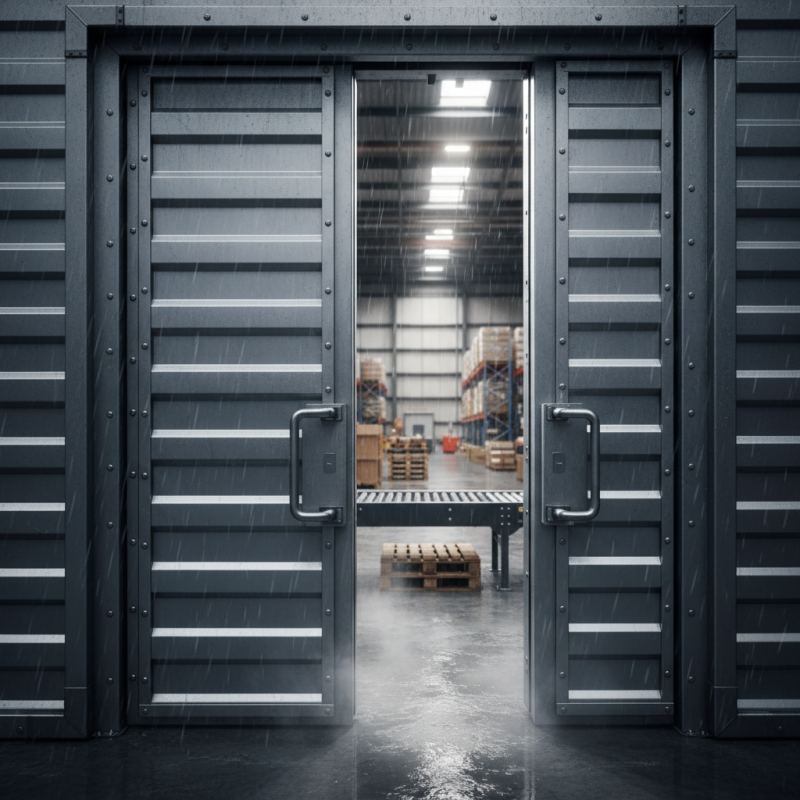
What is a Warehouse Metal Door?
Warehouse metal doors are essential for securing storage spaces. They offer durability and resistance against various types of damage. In fact, research by industry experts shows that metal doors can last up to three times longer than wooden doors. This longevity reduces replacement costs significantly.
These doors provide added security against unauthorized access. A report by the Security Industry Association found that warehouses with robust entry points saw a 60% drop in theft incidents. Properly installed metal doors create a deterrent for intruders. They are less susceptible to wear and tear compared to traditional doors.
However, not all metal doors are created equal. Some may lack proper insulation properties, leading to energy inefficiencies. This aspect deserves attention, especially as energy costs rise. While they offer many advantages, it's vital to assess specific needs before making a purchase. Consider factors like usage, location, and potential vulnerabilities carefully.
Key Features of Warehouse Metal Doors
Warehouse metal doors are crucial for securing storage spaces. These doors provide durability and protection against external elements. Metal doors are often resistant to corrosion, making them ideal for warehouses with high humidity. Their sturdy construction can deter unauthorized access effectively.
Key features of warehouse metal doors include energy efficiency and sound insulation. A well-insulated metal door can reduce energy costs, especially in climate-controlled environments. Additionally, soundproofing helps maintain a quiet workspace, essential for productivity. The variety of designs allows customization to meet specific needs, from fire resistance to different color options.
Using metal doors, however, does come with challenges. Over time, doors may show signs of wear and deterioration. Regular maintenance can be overlooked, leading to security vulnerabilities. A timely inspection routine is vital to ensure these doors remain effective. Ultimately, choosing the right warehouse metal door requires careful consideration of features and maintenance needs.
Warehouse Metal Doors: Key Features and Benefits
Benefits of Installing Warehouse Metal Doors
Warehouse metal doors are a vital part of industrial spaces. They provide security and durability in environments exposed to heavy wear and tear. Unlike traditional doors, metal doors resist damage from impacts and harsh weather conditions. This longevity means lower replacement costs over time.
Installing metal doors also enhances safety. They are fire-resistant, which can protect valuable inventory. Additionally, their robust construction deters unauthorized access. This can be particularly important for warehouses storing sensitive materials. Observing these benefits, businesses often overlook door maintenance. Regular checks can prevent issues caused by wear over time.
Another noteworthy aspect is insulation. Warehouse metal doors can be designed to help maintain temperature control within the premises. This is crucial for perishable goods and sensitive equipment. However, choosing the right insulation options might require careful consideration. Not every metal door will meet the unique needs of a warehouse. Hence, thoughtful planning and assessment are essential.
Common Applications of Warehouse Metal Doors
Warehouse metal doors are essential in various industrial settings. They provide security and durability for high-traffic areas. These doors are designed to withstand heavy use, making them ideal for warehouses and distribution centers.
Common applications for warehouse metal doors include loading docks and storage rooms. Their sturdy construction protects goods from theft and damage. In addition, they are often used in entryways to control access. By limiting entry points, businesses can enhance security.
In some cases, these doors may not fit all needs. You might find they lack insulation or aesthetic appeal. This could lead to higher energy costs or an uninviting atmosphere. It's crucial to assess specific requirements and choose wisely.
What is a Warehouse Metal Door and Why Do You Need One? - Common Applications of Warehouse Metal Doors
| Application | Material | Benefits | Security Features | Maintenance |
| Distribution Centers | Steel | Durable and long-lasting | Reinforced locks, impact resistance | Low maintenance; easy to clean |
| Storage Facilities | Aluminum | Lightweight yet strong | Hardened hinges, secure locking mechanisms | Minimal upkeep; corrosion resistant |
| Manufacturing Plants | Galvanized Steel | Enhanced resistance to elements | Multi-point locking systems | Robust yet easy to maintain |
| Cold Storage | Insulated Steel | Energy-efficient | Heavy-duty locks; thermal performance | Regular inspections recommended |
Maintenance Tips for Warehouse Metal Doors
Warehouse metal doors are essential for security and durability. Regular maintenance is key to their longevity. Small issues, if ignored, can become costly repairs.
Checking the door's hardware is a great starting point. Ensure hinges and locks are functioning correctly. A squeaky hinge may indicate lubrication is needed. Rust can develop if not monitored. Look for any signs of wear and tear.
Cleaning the door regularly helps too. Dirt and grime can cause corrosion. A simple wash with soap and water can do wonders. Pay attention to any dents or scratches. They might not seem significant, but they can compromise the door's integrity over time. Regular inspections can prevent unexpected breakdowns.